Loading
Loading

Socinga Africa Insurance (FSP 46620) envisions a future where every employee across Southern Africa's mining and industrial sectors is shielded by comprehensive, affordable group insurance cover.
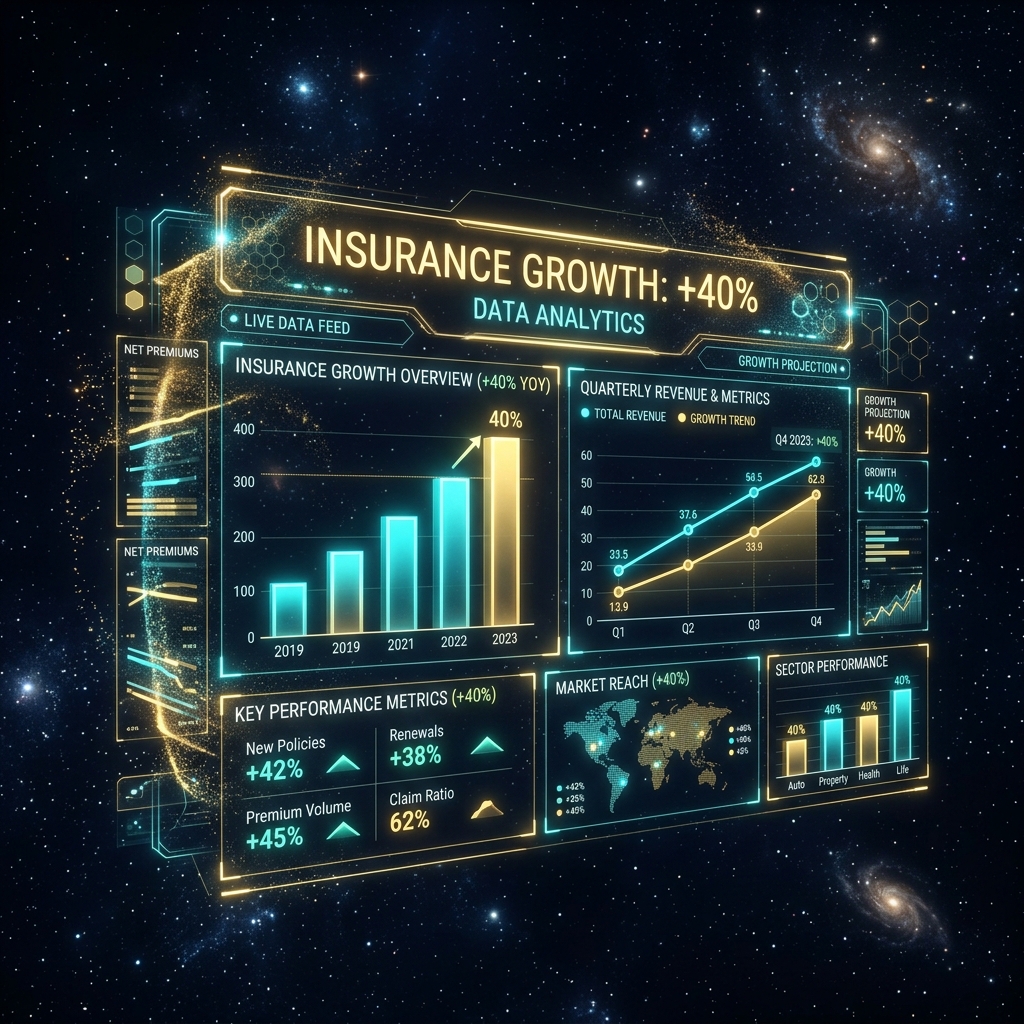
Socinga Africa Insurance (FSP 46620) has reported a 40% increase in group scheme enrolments over the past quarter. This unprecedented growth is not the product of coincidence. It is the direct result of a deliberate, vertically integrated strategy that positions our insurance division at the precise intersection of industrial need and financial protection.
For decades, the African mining workforce has operated under conditions of extreme physical risk, often without adequate insurance cover. The Socinga Africa Group Scheme programme was engineered to eliminate this gap — providing employers with a single, comprehensive platform to insure their entire workforce under one unified policy framework.
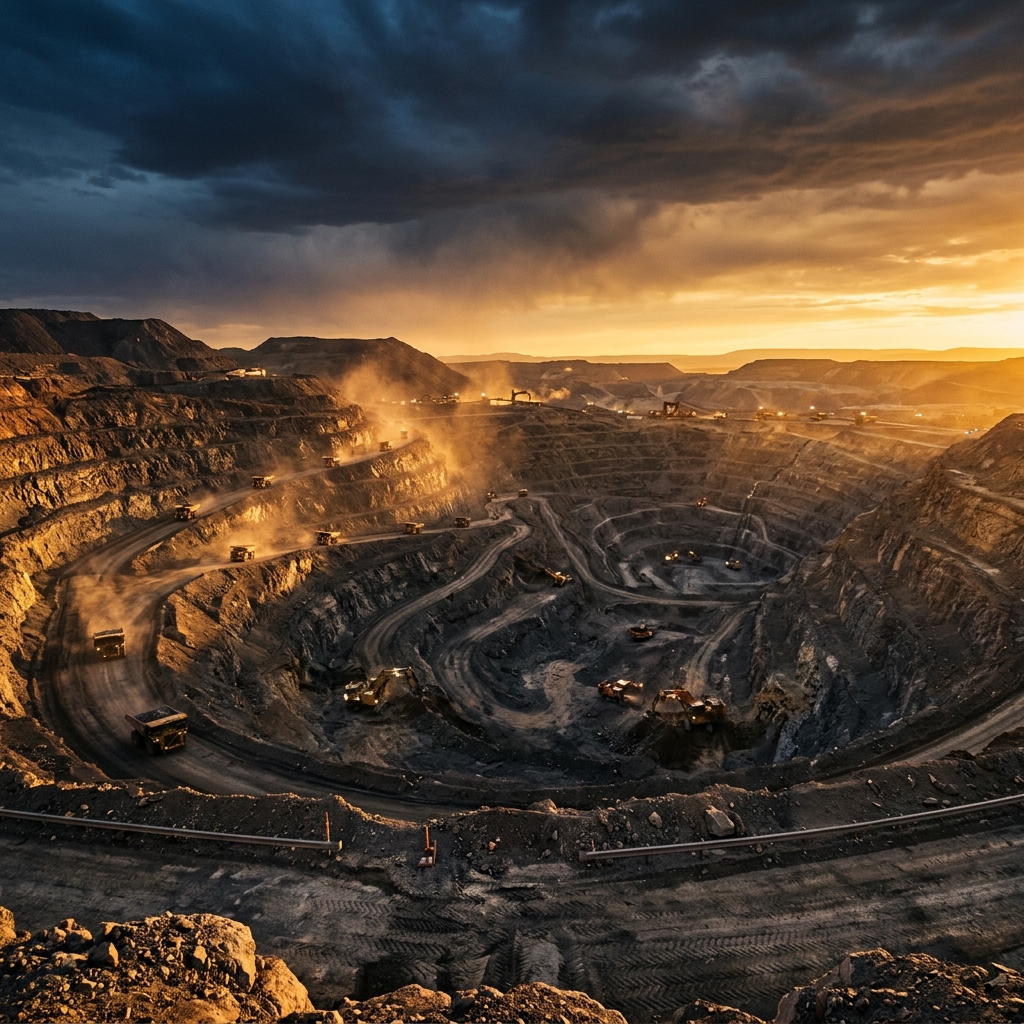
The 40% increase has been driven by strong demand from mining sector employers seeking comprehensive workforce cover. These are operations that understand a fundamental truth: an insured workforce is a productive workforce. When employees know their families are protected — when the spectre of financial ruin from workplace injury is eliminated — they perform with greater focus, greater loyalty, and greater output.
Our Group Scheme offering addresses every critical category of risk: accidental death, disability, medical expenses arising from occupational incidents, and repatriation cover for cross-border workers. Each policy is structured to comply with the regulatory frameworks of the jurisdictions in which our clients operate, from South Africa's Financial Sector Conduct Authority to Zimbabwe's Insurance and Pensions Commission.
What sets the Socinga Africa Group Scheme apart from conventional insurance providers is our intrinsic understanding of the African mining ecosystem. We are not generalists attempting to apply metropolitan insurance logic to frontier, high-risk industrial environments. Our actuarial models, our policy structures, and our claims processes have been purpose-built for the realities of underground development, surface extraction, and processing plant operations.
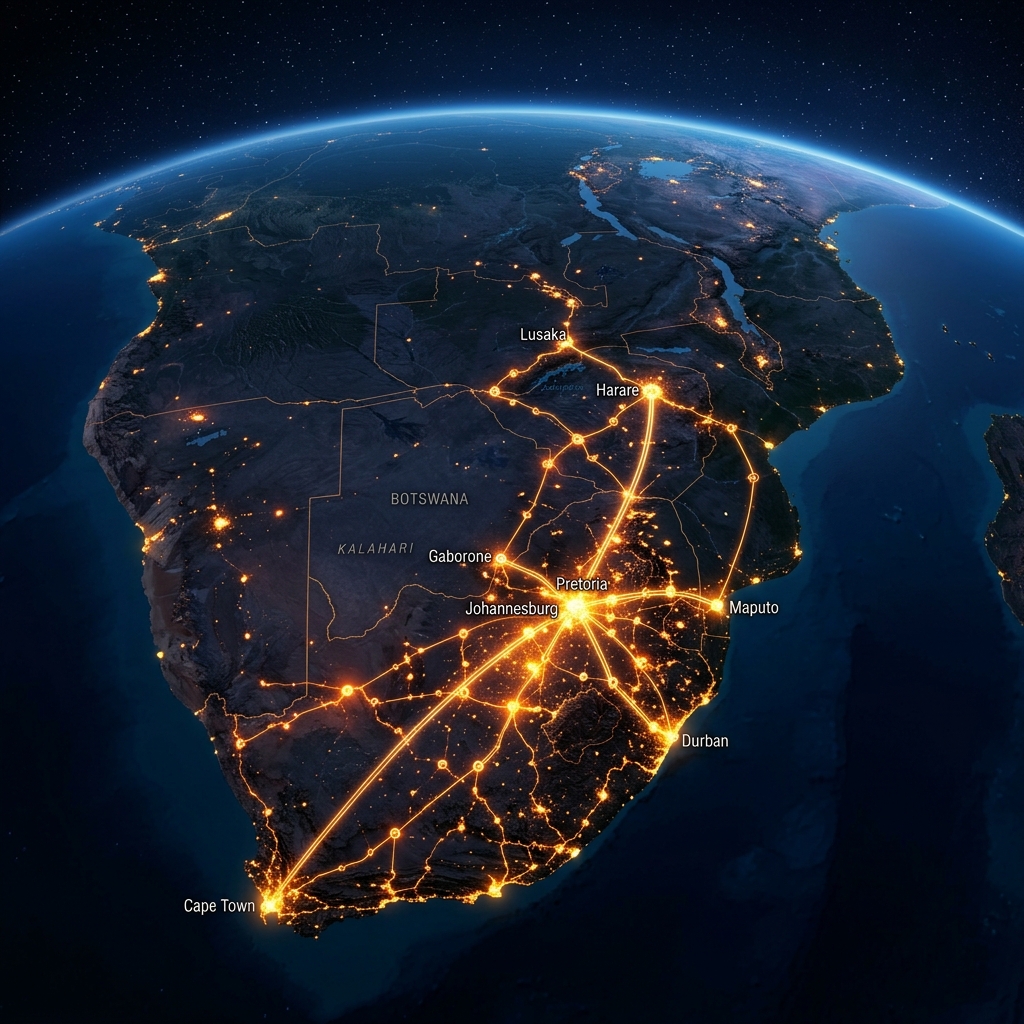
The division now provides cover to over 3,000 employees across 12 mining operations. This operational footprint spans the Bushveld Complex in South Africa, the Great Dyke in Zimbabwe, and emerging mineral sands and coal operations in Mozambique. Each onboarded operation represents a structured, enterprise-level engagement — not a transactional sale, but a partnership in which Socinga Africa Insurance integrates directly into the client's HR, payroll, and risk management architecture.
The model is scalable by design. As each mining employer onboards, the aggregated risk pool deepens, allowing us to negotiate superior reinsurance terms, reduce per-capita premiums, and extend the scope of cover available to the scheme. This creates a compounding value loop: more members deliver better pricing, which attracts more members.

The current 40% growth rate is not our ceiling. It is our baseline. Our strategic target is to double the active group scheme membership within the next 18 months, extending our coverage into the construction, agriculture, and logistics sectors where the same unacceptable protection gaps persist.
We are simultaneously investing in digital claims processing infrastructure. Our vision calls for a fully automated, mobile-first claims submission and adjudication pipeline that reduces the average turnaround from weeks to days. For a miner injured 300 kilometres from the nearest major hospital, speed is not a convenience — it is a lifeline.
Our actuarial models, policy structures, and claims processes have been purpose-built for the realities of underground development, surface extraction, and processing plant operations. We do not apply metropolitan insurance logic to frontier, high-risk industrial environments.
Each onboarded operation represents a structured, enterprise-level engagement — not a transactional sale, but a partnership in which Socinga Africa Insurance integrates directly into the client's HR, payroll, and risk management architecture.
As each mining employer onboards, the aggregated risk pool deepens, allowing us to negotiate superior reinsurance terms, reduce per-capita premiums, and extend the scope of cover available to the scheme. More members deliver better pricing, which attracts more members.
Each policy is structured to comply with the regulatory frameworks of the jurisdictions in which our clients operate, from South Africa's Financial Sector Conduct Authority to Zimbabwe's Insurance and Pensions Commission.

The Socinga Africa Insurance division is not merely selling policies. It is building the financial infrastructure layer beneath the entire Socinga Africa ecosystem. When an investor acquires a mine through our Mining Hub, their workforce can be immediately enrolled in our Group Scheme. When a contractor is engaged through our Marketplace, their employees can be covered under the same framework. Insurance, positioned correctly, becomes the connective tissue across every pillar of the platform.
This is our vision: a Southern Africa in which no employee operates without protection. In which group insurance is not a luxury reserved for listed corporations, but a standard operating condition for every mine, every processing plant, and every construction site across the continent. The 40% growth we report today is simply the opening chapter.
This represents exactly the kind of structural change our industry has been waiting for.
Great analysis. I look forward to seeing how this scales across the COMESA region.