
Loading
Loading
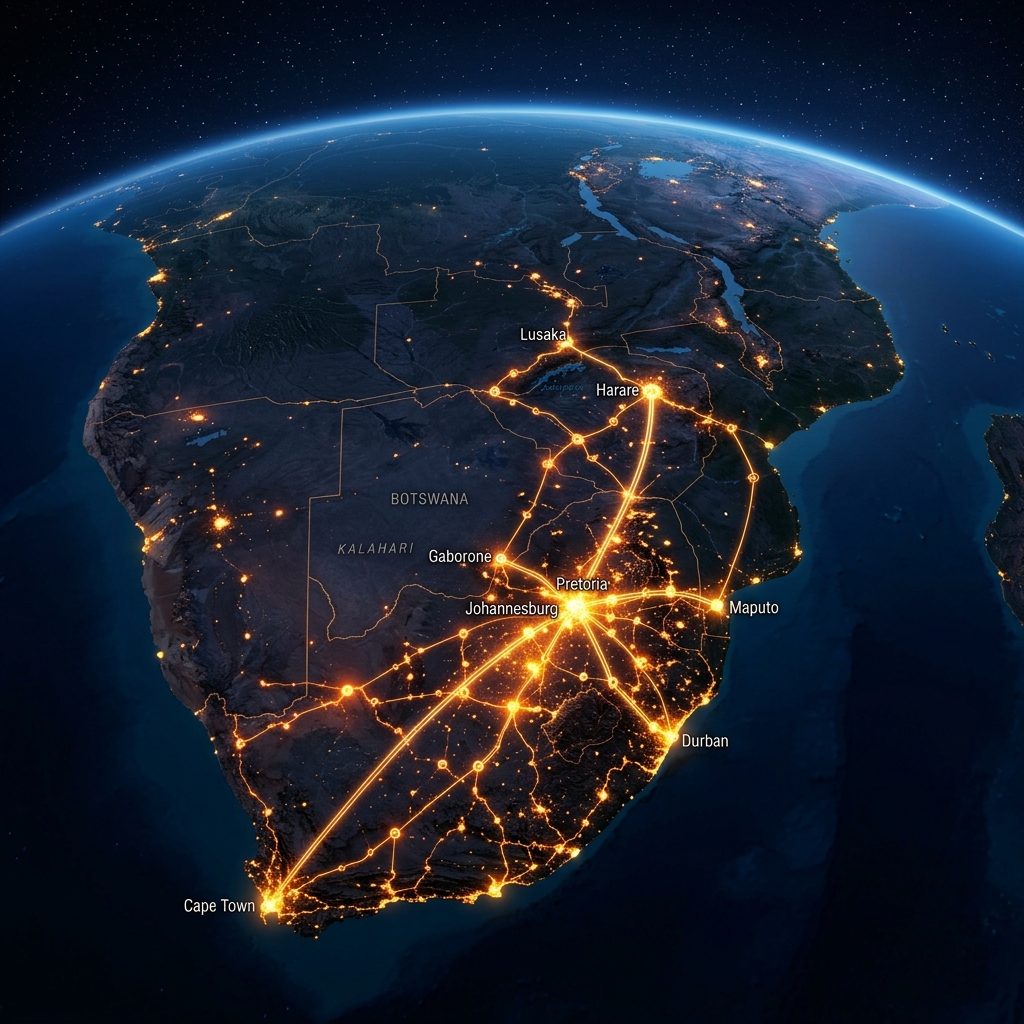
The Foundation's digital hub network is enabling rural entrepreneurs, learners, and community organisations to participate in the digital economy for the first time.
A digital hub is more than a room with computers and an internet connection. It is a gateway to economic participation, a classroom for the digital age, and a community gathering point that fosters collaboration and innovation. The Socinga Africa Foundation's digital hub network — at socinga.africa/foundation/digital-hubs — is demonstrating this transformative potential across rural Southern Africa.
Digital hubs are typically established in community buildings — libraries, schools, churches, or purpose-built facilities — that are accessible to the local population. Each hub is equipped with computing terminals, internet connectivity (provided through the Foundation's off-grid Wi-Fi programme), and basic printing and scanning facilities.
For rural entrepreneurs, digital hubs provide access to markets that were previously inaccessible. A smallholder farmer can research crop prices, connect with buyers, and access weather information. A craftsperson can photograph their products, create social media listings, and receive orders. A service provider can advertise locally and manage bookings digitally. These activities were impossible before connectivity arrived.
For learners, digital hubs supplement formal education with online resources. Students can access educational content, complete research assignments, and develop the digital competencies that employers increasingly demand. In communities where schools lack libraries and textbooks, the internet — accessed through the hub — fills a critical resource gap.
For community organisations, digital hubs provide administrative infrastructure. Churches can manage their membership records and communications digitally. Community development committees can access government grant information and submit applications online. Health committees can report disease surveillance data electronically.
The Foundation's digital hub model is designed for sustainability. Equipment is selected for durability and energy efficiency. Facilitators are recruited from the local community and trained to provide basic technical support. Usage-based revenue models — such as printing fees and premium internet access — contribute to operating costs.
Impact data from operational hubs informs continuous improvement. The Foundation monitors usage patterns, user satisfaction, and socio-economic outcomes to identify opportunities for enhancement and to demonstrate impact to sponsors and partners.
Explore the digital hub network at socinga.africa/foundation/digital-hubs.
This represents exactly the kind of structural change our industry has been waiting for.
Great analysis. I look forward to seeing how this scales across the COMESA region.